Arts Umbrella’s dancers rise to the challenge of learning every part in Mixed Nuts
Company’s annual holiday twist on The Nutcracker features a flavoursome assortment of styles, from classical ballet to swing and hip hop
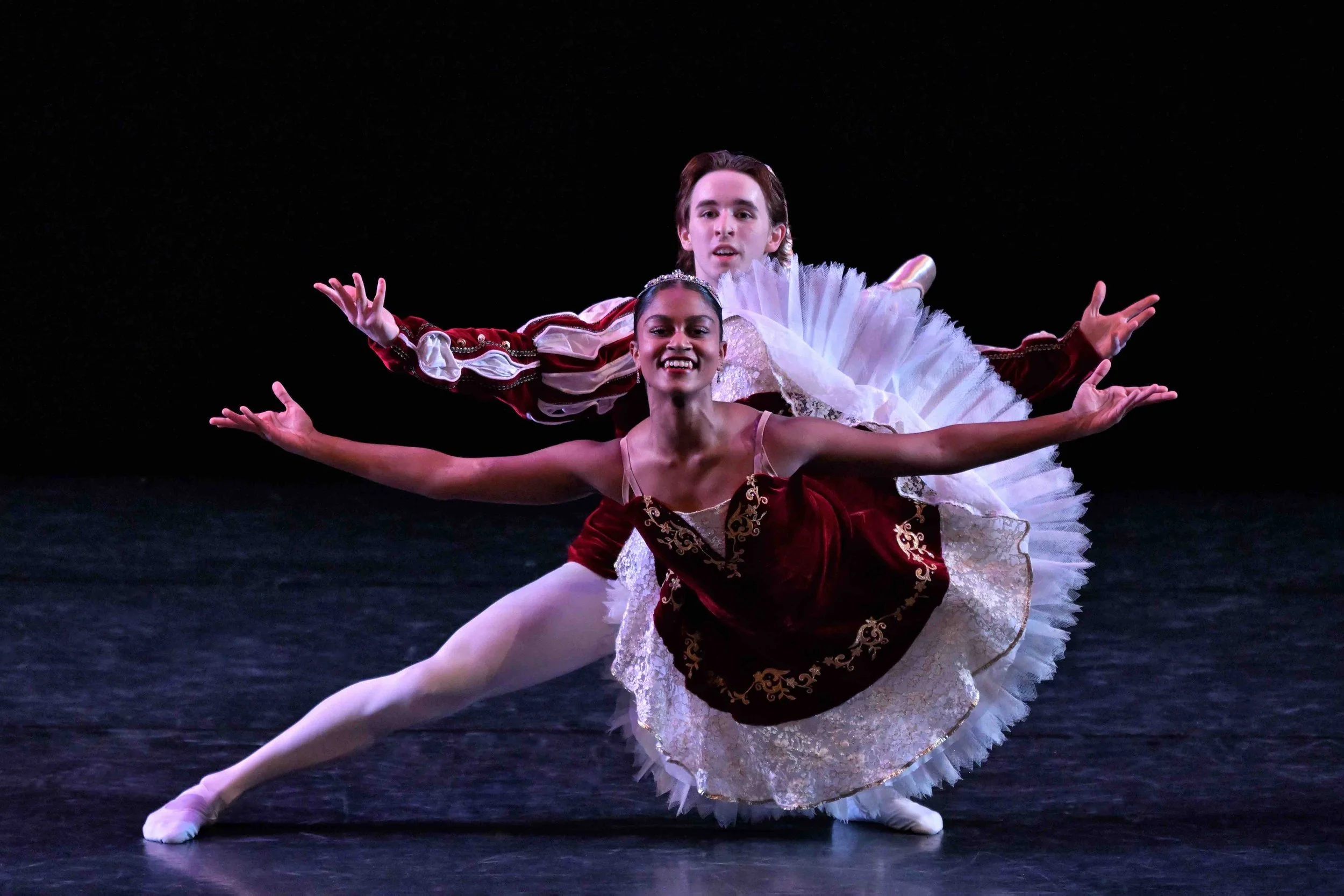
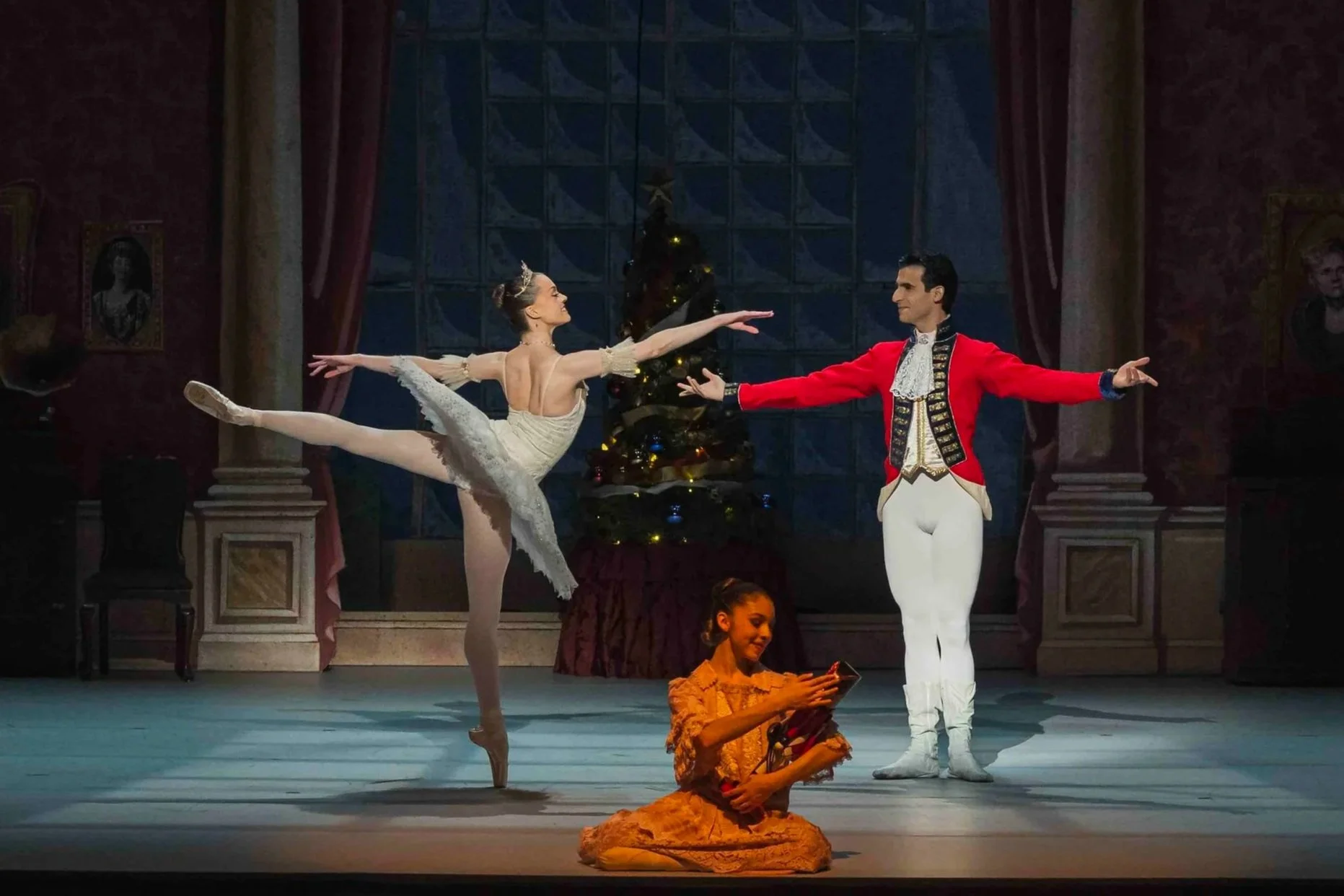
Mixed Nuts. Photo by Michael Slobodian
Arts Umbrella presents Mixed Nuts at the Vancouver Playhouse from December 12 to 14
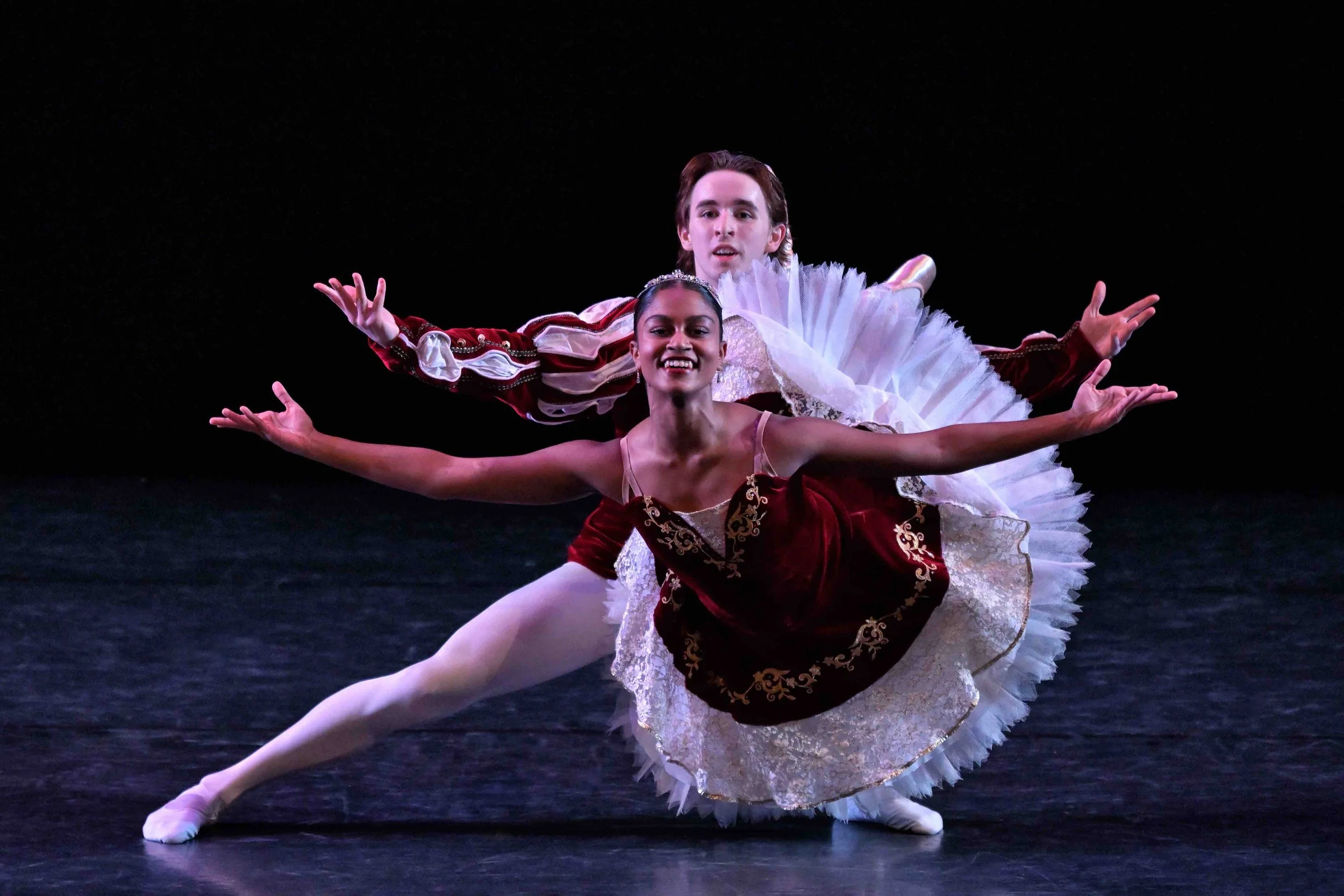
ARTS UMBRELLA DANCE Company hosted its inaugural Mixed Nuts, a twist on Tchaikovsky’s The Nutcracker, in 2006. Since then, the production has evolved in countless ways, with each edition offering a new dance style or character twist or hyperlocal reference. But for the first time in history, this year’s Mixed Nuts choreography has stayed exactly the same as last year’s, says Artemis Gordon.
For those who are curious why, the long-time Arts Umbrella artistic director has a theory: “I wonder if it’s because we finally got it to the point where we like it. I think we’re finally there,” she tells Stir with a laugh.
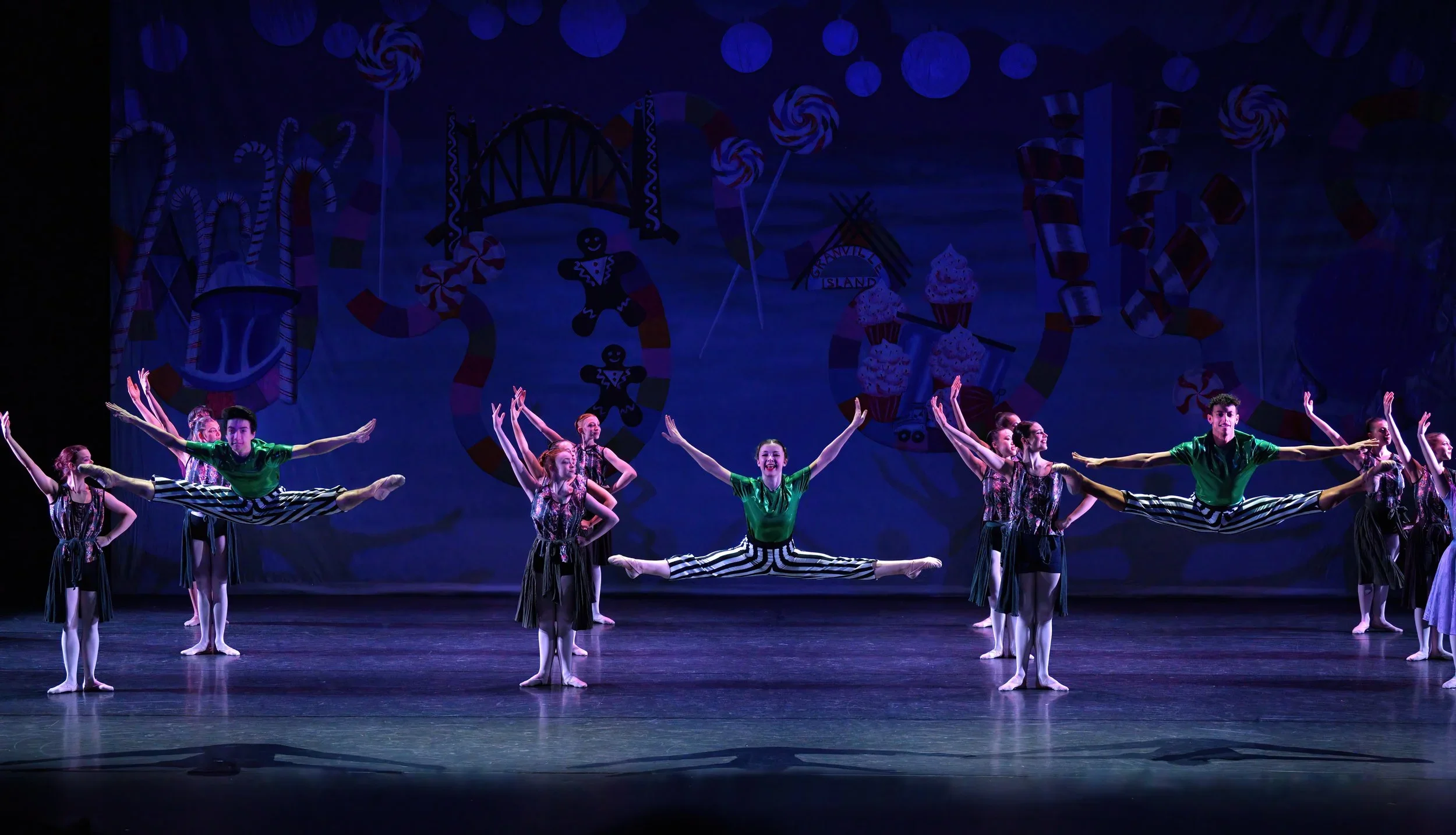
And what’s not to love about the production? Where The Nutcracker is all classical ballet performed on pointe, Mixed Nuts features a wide range of styles, from hip hop and swing dance to ballroom, theatrical jazz, and contemporary. The show is choreographed by several local artists, including Dance//Novella cofounder Racheal Prince, long-time Ballet BC dancer Livona Ellis, and Arts Umbrella’s own rehearsal director, Lynn Sheppard.
“What we’re really trying to do is to show a contemporized way of looking at dance while still valuing, of course, all of the classicism and all the virtuosity of ballet,” Gordon says.
Mixed Nuts features more than 80 dancers from Arts Umbrella’s Professional Training Program and Post-Secondary Program, who range in age from 12 to 22. This year the show will take place at the Vancouver Playhouse from December 12 to 14. What audience members may not know is that Mixed Nuts comes with another unique twist: casting is done the night before the show, which means that each dancer has to prepare by learning every single part in the entire production. They start picking up choreography at the beginning of the semester in September and keep up an intense rehearsal schedule over the following three months. It’s a Herculean feat—but year after year, the artists rise to the challenge.
“There’s this incredible consciousness onstage,” Gordon explains, “because everyone’s thinking and everyone knows what everyone else is doing. So it’s not just about that isolation of ‘This is my part, and I’m here to outshine everyone else.’ We are all part of this production, and this whole production is all of us.”
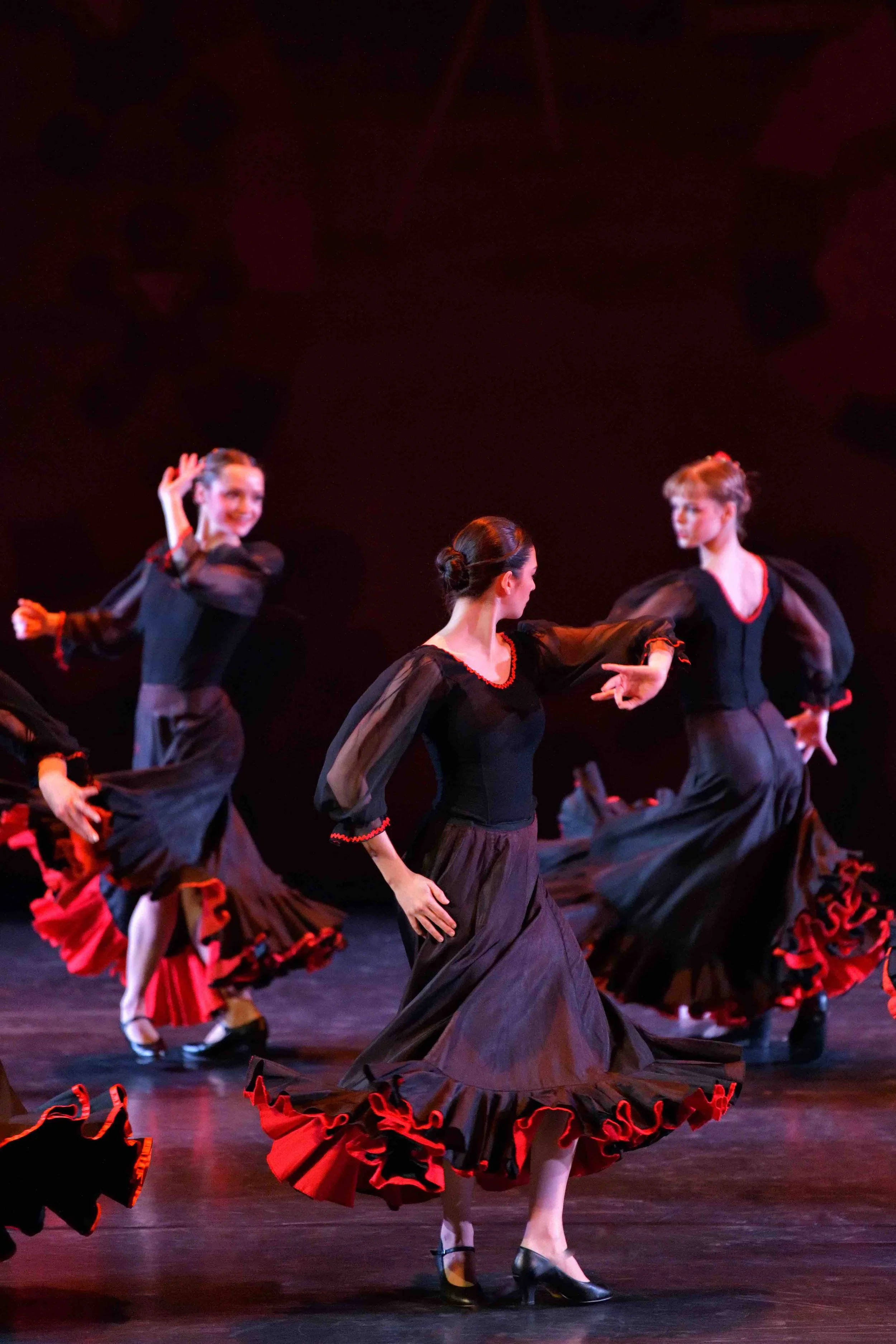
Mixed Nuts. Photo by Michael Slobodian
Among the dancers performing in this year’s Mixed Nuts is Vancouver-based Irene Sull, who has been training with Arts Umbrella going on 13 years; this will be her eighth Mixed Nuts. There are also several international performers, including the Netherlands’ Noah Prins and Gaya Hagemeier, who are performing in Mixed Nuts for the second time. Prins is from Zuid-Holland and trained with the Royal Conservatoire Dance The Hague, while Hagemeier is from Haarlem and trained with the Dutch National Ballet Academy.
Over a Zoom call on a break from rehearsals, the three agree that learning such a wide variety of roles is what makes Arts Umbrella’s signature dance production so special.
“It was definitely a bit different for me, because I had grown up being part of Mixed Nuts and seeing it so much,” Sull says. “But I think for people that join for the first time, just entering into this right away from not having any idea what it is can definitely be a shock.”
“It is a challenge,” Hagemeier agrees. “But then, of course, many people before us have done it, so there’s that comfort of you knowing it is possible.”
Adds Prins: “I feel like the first time, you sometimes can’t see the forest for the trees—you have so much to learn that it’s hard to really work on everything equally. But this year, I feel like we’re getting more refined in what we want to actually do with the steps.”
Generally, the casting for Mixed Nuts is randomized, as there are no auditions, but arranged so that every dancer gets to do something different each performance. Because of that, costuming is a huge undertaking. On show day, the dancers all pile into a costume hall in the backstage area of the Playhouse and pick out the garments and accessories they’ll need for that performance. There are multiple sizes of each costume to accommodate all the role changes—and many of them have been passed down through generations of students.
Performance week, understandably, is intense in all the best ways, say the dancers.
“It’s a week where we barely see sunlight,” admits Hagemeier, sharing a laugh with Sull and Prins. “We enter the theatre when it’s still dark and we leave when it’s still dark. It’s a crazy week—but it’s so fun.”
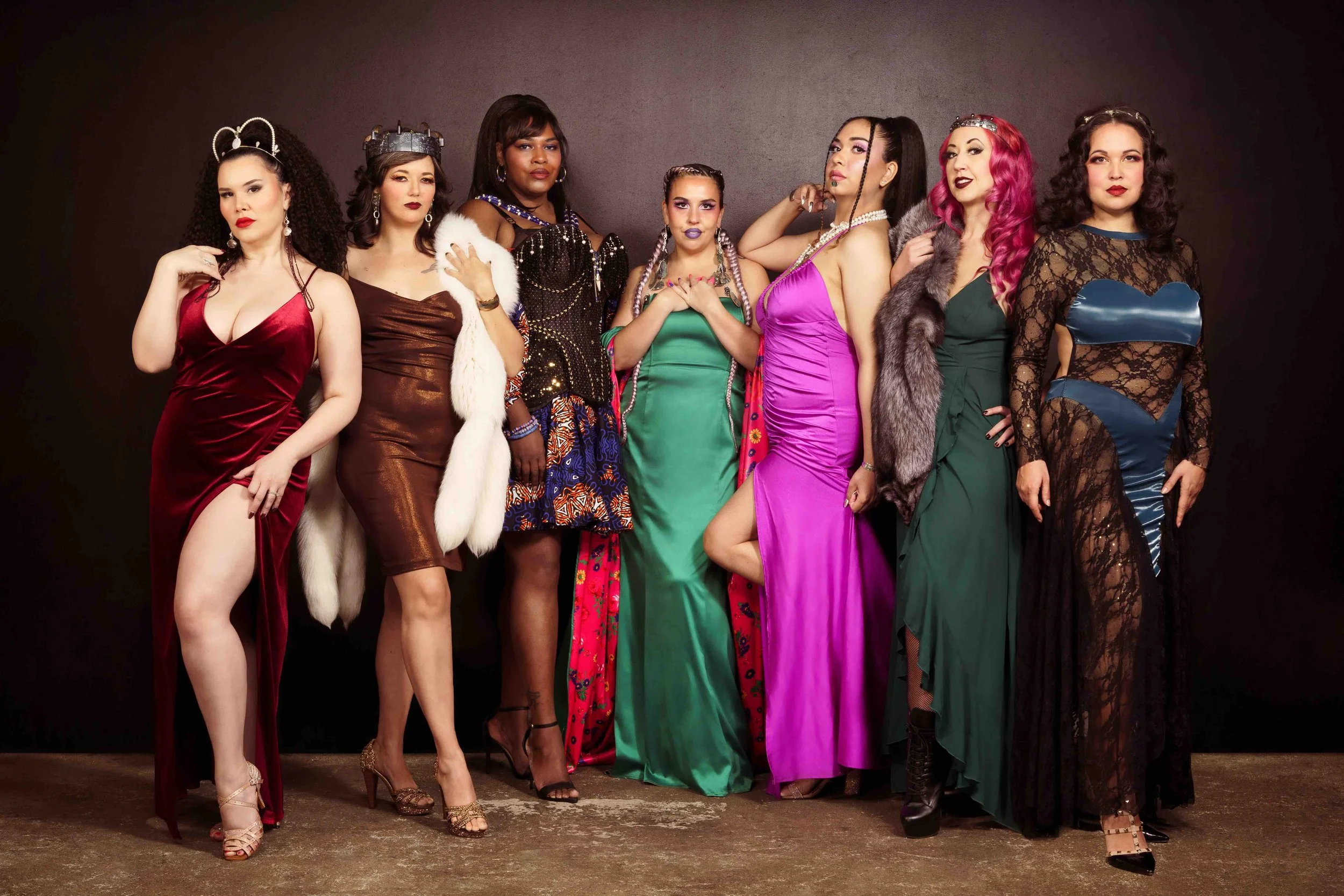
Mixed Nuts contains just as many surprises for audiences as it does for the dancers. The opening Christmas Eve celebration has been transformed into a ’60s variety show–style number nicknamed “Barbie party”; the mice and soldiers engage in a hip-hop dance battle; and in the Land of Sweets, dancers are still en pointe and wearing tutus, but they represent different candies instead of different countries. Not to mention that Clara’s godfather, Drosselmeyer, is a drag queen, Drosselina.
So although this year’s choreography is similar to last year’s, all the cast changes mean that no two Mixed Nuts shows are alike—and it certainly sets itself apart from other versions of The Nutcracker hitting stages around the world.
Performing in Mixed Nuts, Gordon says, really allows the dancers to build skills that will carry them forth into the professional dance world.
“It creates community,” Gordon says. “It creates respect. It creates excitement and inspiration, and just this joy of belonging to something that’s so special. It stays with them for life.” 

Related Articles